
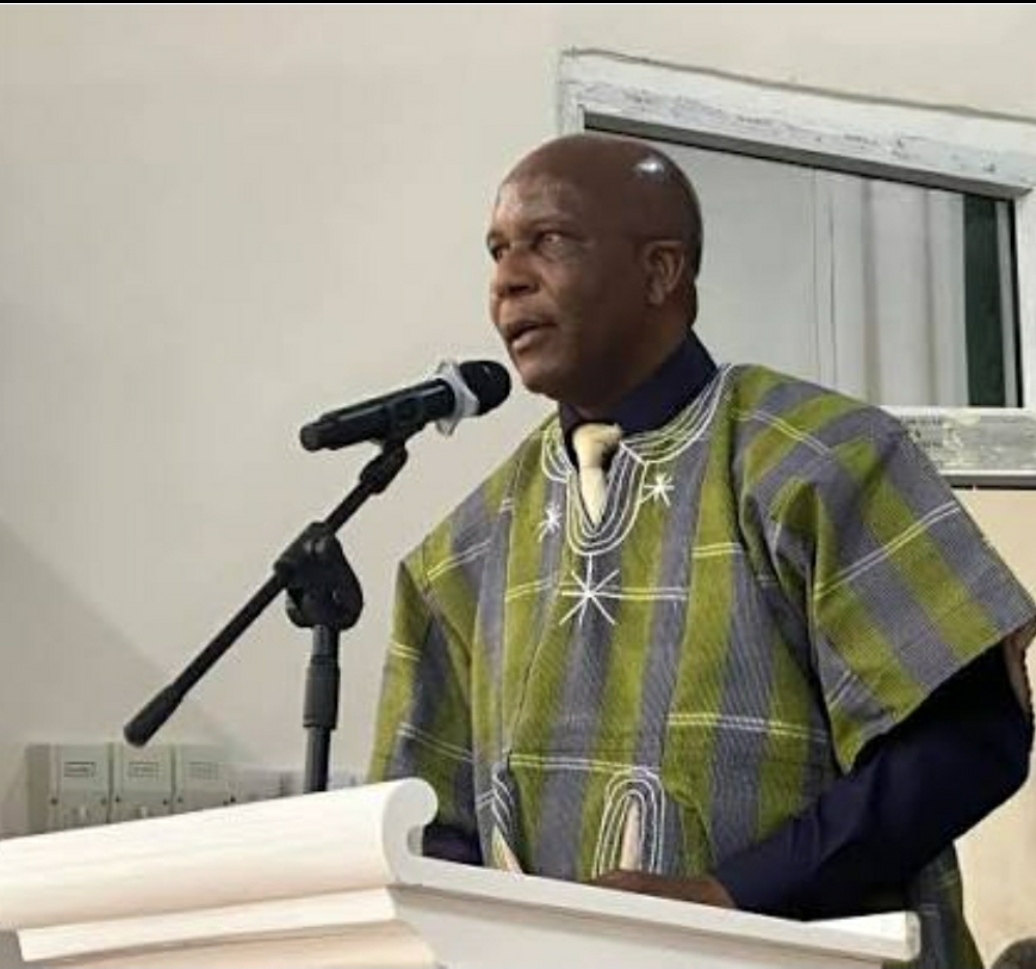
WHY DG DABOH DESERVES MORE TIME
In many institutions, leadership change is healthy. But in strategic national institutions managing billions in workers’ pensions, stability can be just as critical as transition. That is why growing calls for NASSIT Director General Mohamed Fuaad Daboh to step aside at 60 are increasingly being challenged by those who believe Sierra Leone cannot afford to interrupt ongoing reforms at the country’s most sensitive social protection institution.
Supporters argue that Daboh’s age should not be treated as a liability, but as an asset. At 60, they say, he represents a blend of institutional memory, administrative experience, and reform-driven leadership that remains difficult to replace at a time when NASSIT is still undergoing major transformation.
Under his stewardship since 2018, NASSIT has not merely maintained operations; it has expanded its national relevance. The institution has moved aggressively into digital pension processing, informal sector inclusion, compliance strengthening, and investment diversification. These reforms, supporters insist, are still evolving and require continuity to reach full maturity.
For many observers, the strongest argument for extending Daboh’s tenure lies in the unfinished nature of the reform agenda itself. Expanding social security coverage to the informal sector remains one of Sierra Leone’s biggest economic and social challenges. Millions of workers still operate outside formal pension protection, and NASSIT’s ongoing inclusion drive targeting traders, bike riders, artisans, and market women is viewed as a long-term national project that requires experienced leadership to consolidate.
There is also the issue of institutional confidence. Pension institutions survive largely on public trust. Abrupt leadership disruption during sensitive restructuring periods can weaken confidence among contributors and pensioners alike. Backers of Daboh believe his continued presence offers reassurance at a time when economic uncertainty, inflation, and unemployment continue to place pressure on social protection systems across Africa.
Critics may frame the debate around retirement, but supporters frame it around results. They point to the reduction in pension processing delays, stronger payroll controls, expanded asset growth, and the institution’s survival through the COVID-19 economic shock as evidence that NASSIT under Daboh has demonstrated resilience rather than decline.
They further argue that removing leadership in the middle of modernization efforts risks slowing momentum just as reforms are beginning to produce measurable impact. For them, succession should not be driven by noise, politics, or symbolism, but by strategic timing and institutional readiness.
Importantly, there is no legal barrier compelling the Director General’s exit at 60. The debate therefore becomes less about age and more about whether the institution is benefiting from his leadership. So far, the continued confidence shown by government and many stakeholders suggests that the answer, for supporters at least, remains yes.
To Daboh’s allies, the question is simple: if a leader is still delivering reforms, stabilizing a critical institution, and advancing national social protection goals, why force an exit simply because he has turned 60?
For them, Mohamed Fuaad Daboh’s milestone birthday is not the closing chapter of his NASSIT story — it may well be the phase where his experience becomes most valuable.