
Arise & Cribbs Payments Gate!
HIGHER EDUCATION MINISTER EXPOSED
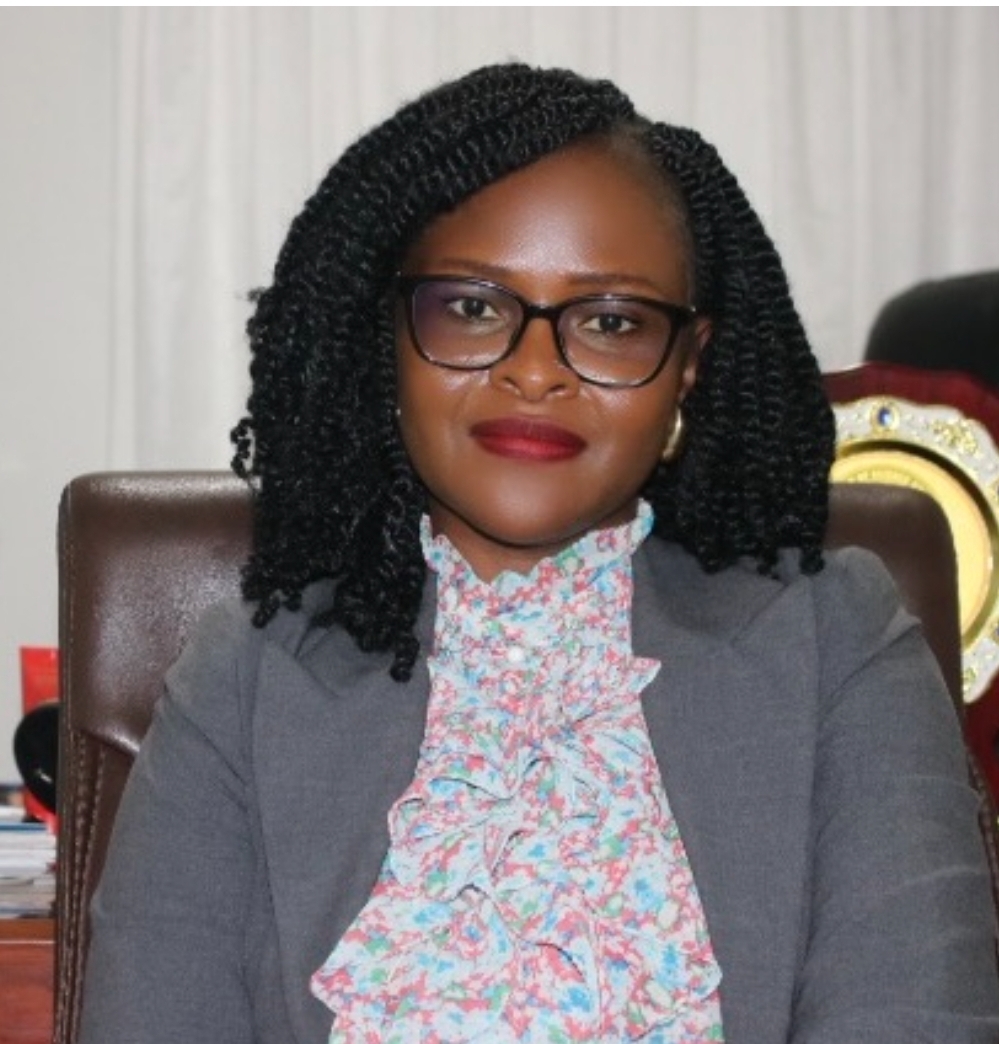
Fresh questions have emerged in the ongoing University of Sierra Leone (USL) impasse following the publication of documents relating to payments reportedly made under the ARISE and CRIBBS projects during the tenure of the Minister of Technical and Higher Education, Dr. Haja Ramatulai Wurie.
The documents, which are said to have been submitted to the Anti-Corruption Commission (ACC), have reignited public interest in the management of externally funded projects and the circumstances under which project-related payments were made.
At the centre of the discussion is whether the payments reflected in the records were made in accordance with the applicable contractual arrangements, project regulations and approval processes governing the two programmes.
Observers note that the issue is not necessarily whether payments were made, but whether all required procedures were followed and whether the arrangements were properly disclosed and approved by the relevant authorities.
The publication of the documents has also revived debate over the extent to which public officials serving in ministerial positions may continue to benefit from externally funded research or development projects that predate their appointments.
Experts point out that participation in donor-funded projects is not uncommon in academia and research institutions, and that receiving payments under such projects does not automatically amount to misconduct. However, they stress that transparency, proper authorization and compliance with governing agreements are essential in determining whether such arrangements were appropriate.
The documents have consequently prompted a number of questions from members of the public and stakeholders within the higher education sector.
Among the issues being raised are whether the ACC examined all records relating to the ARISE and CRIBBS projects, whether the payments were approved through the proper channels, and what legal or contractual provisions formed the basis for the payments.
There are also questions about whether all relevant institutions were informed of the arrangements and whether the ACC has reached a definitive conclusion regarding this aspect of the evidence presented during its investigations into the USL controversy.
The emergence of the documents has added a new dimension to ongoing calls for greater transparency in the handling of matters connected to the University of Sierra Leone impasse.
As public debate continues, attention is increasingly turning to the Anti-Corruption Commission, with many Sierra Leoneans seeking clarification on whether the issues raised in the documents were fully investigated and addressed.
For many observers, the matter goes beyond the specific payments in question. It touches on broader concerns relating to accountability, public confidence and the need for clear explanations whenever issues involving public institutions and public officials arise.
With the documents now in the public domain, calls are growing for a comprehensive response that addresses all questions raised by the evidence and provides clarity based on official records, applicable regulations and established facts.
As the controversy continues to unfold, many are asking when the ACC will provide a full and detailed response to all evidence submitted in relation to the University of Sierra Leone impasse.