
For ‘’Chicken Change’’…
SALONE TURNS U.S ‘’BOMEH’’
By Ibrahim Alusine Kamara (Kamalo)
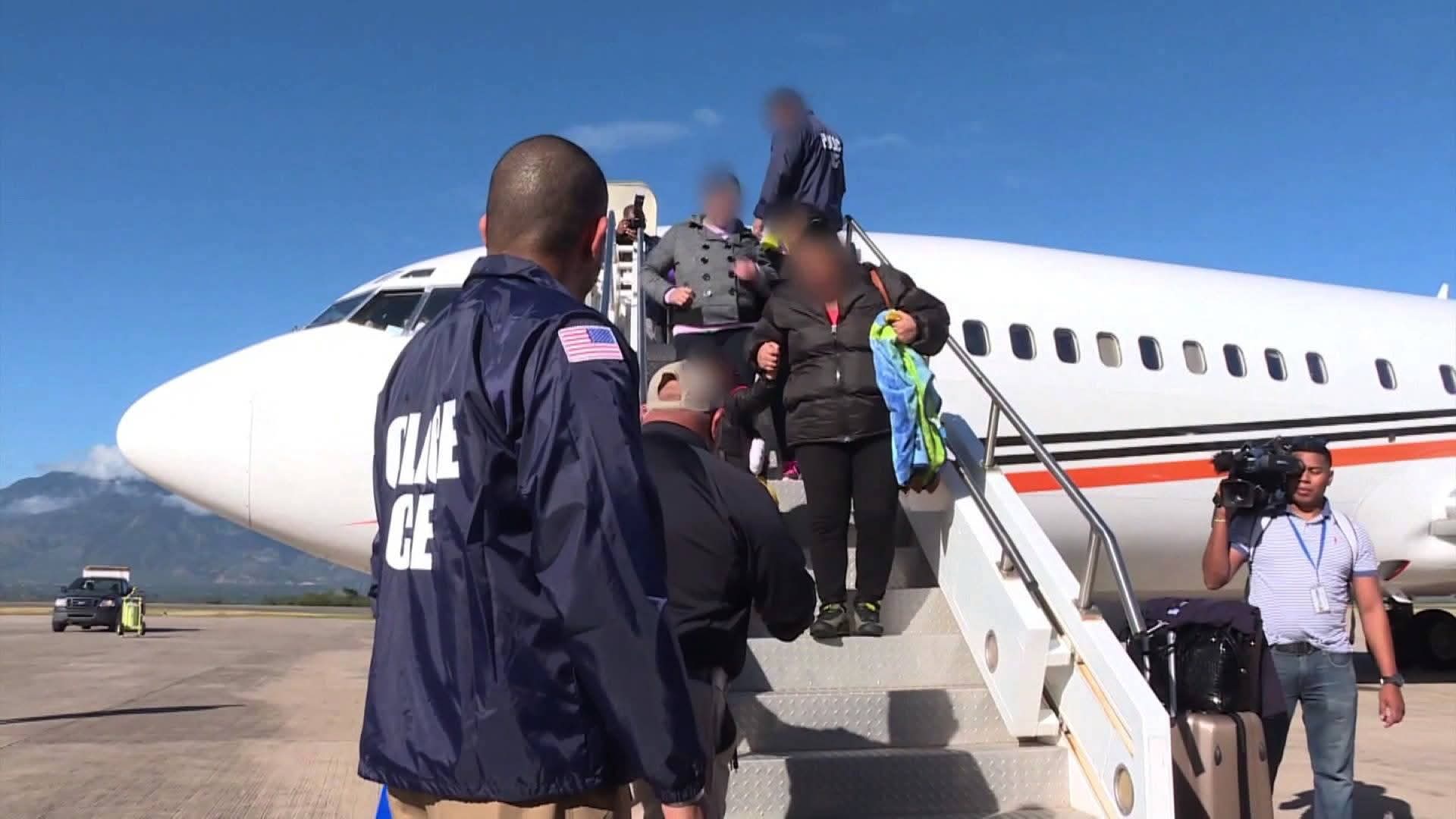
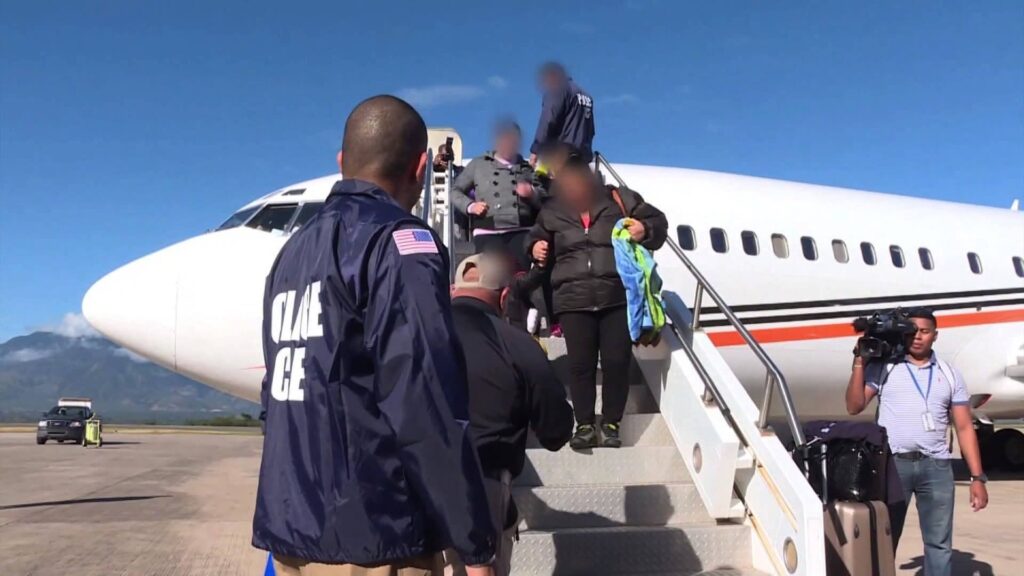
The growing reports surrounding an alleged arrangement between the government of Sierra Leone and the United States to receive deported third-party nationals in exchange for financial incentives have sparked fear, outrage, and deep national anxiety. If true, this is not merely another diplomatic engagement. It is a matter that touches directly on the sovereignty, security, dignity, and future stability of an already fragile nation.
Of late, Sierra Leone appears to be increasingly imperiled—not by external invasion, not by rebel warfare, nor by any civil uprising—but by decisions emerging from within the corridors of power itself. Decisions that many fear could mortgage the country’s safety and integrity for short-term financial gain. Whether such actions are being pursued deliberately, recklessly, or without fully appreciating their long-term consequences is something only time may reveal.
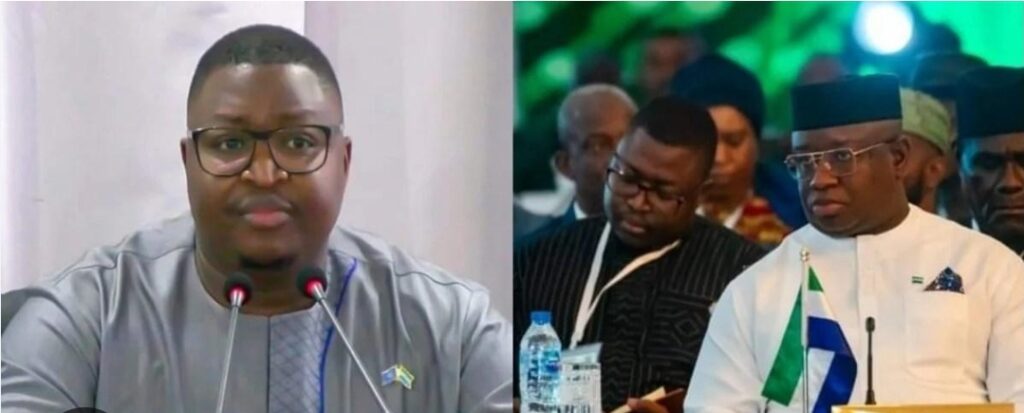
Reports indicate that the arrangement involves a staggering $1.5 million offer from the U.S. government in return for Sierra Leone accepting approximately 300 deported third-party nationals. State House Communications Director, Myke Berewa, reportedly defended the proposed deal as one capable of strengthening diplomatic and migration relations between the two countries.
But many Sierra Leoneans are asking: at what cost?
There was a time when successive governments fiercely defended the territorial and moral integrity of this nation. Sierra Leoneans vividly remember the widespread outrage during the previous administration over attempts to allegedly turn the country into a dumping ground for waste linked to Lebanon. Public resistance was swift and uncompromising because citizens understood the dangers of allowing desperate foreign interests to exploit a poor and vulnerable nation.
Likewise, during the first administration of Donald Trump, Sierra Leonean authorities resisted accepting certain deportees from the United States, despite those individuals carrying Sierra Leonean passports. The refusal reportedly triggered visa sanctions against senior officials in the Ministry of Foreign Affairs and the Immigration Department. Yet the authorities at the time stood their ground, prioritizing what they believed to be the national interest and security of Sierra Leone above foreign pressure.
Today, however, the national posture appears alarmingly reversed. Now, Sierra Leone is allegedly being positioned as a sanctuary for deportees who are not even citizens of this country. They are individuals reportedly convicted of serious criminal offenses abroad. These are not ordinary migrants seeking refuge from hardship. They are persons whom the U.S. government itself has allegedly classified as dangerous enough to remove from its own society.
And that reality should concern every Sierra Leonean. If a global superpower like the United States, with all its sophisticated surveillance systems, advanced law enforcement infrastructure, intelligence networks, and heavily funded correctional institutions, considers these individuals too dangerous to remain within its borders, then how can a struggling nation like Sierra Leone reasonably guarantee public safety after receiving them?
That is the central question.
Sierra Leone already battles crippling unemployment, weak border security, a struggling justice system, underfunded policing, widespread youth frustration, and deepening poverty. Entire communities are surviving without access to quality healthcare, decent housing, electricity, clean water, or reliable jobs. Thousands of Sierra Leonean youths roam the streets daily without opportunity or hope.
Even Sierra Leoneans deported back home from Europe and America often struggle to reintegrate into society. Many return traumatized, economically stranded, socially rejected, and abandoned by institutions that should support their rehabilitation. There are no meaningful reintegration systems in place. No sustainable social safety nets. No serious rehabilitation infrastructure.
Yet, in the midst of all this suffering, the government is opening the nation’s doors to foreign deportees whose own countries have either rejected responsibility for them or refused to receive them back. Critics believe this sends a dangerous message to the world, that Sierra Leone is willing to trade national security for financial survival.
And the fears do not end there. Sierra Leone has increasingly faced allegations of becoming a strategic transit point for international narcotics trafficking. Reports and arrests linked to cocaine trafficking have already tarnished the country’s international reputation in recent years. Concerns about organized criminal networks operating within West Africa continue to grow. Against this backdrop, bringing in deportees reportedly linked to drug trafficking and other serious crimes could deepen an already fragile security situation.
For a poor nation with overstretched security institutions, even a small network of experienced international criminals can destabilize communities, corrupt vulnerable systems, recruit desperate youths, fuel violent crime, expand drug distribution, and weaken public trust in state institutions.
The danger is not hypothetical. Countries weakened by poverty are often the easiest targets for transnational criminal infiltration because economic desperation makes institutions easier to compromise. A struggling police officer can be bribed. An unemployed youth can be recruited. A fragile border system can be exploited. Over time, what begins as a “diplomatic agreement” can evolve into a long-term national security nightmare.
And beyond security lies the question of dignity.
Must Sierra Leone always be the nation expected to absorb the burdens others reject? Must poverty force the country into arrangements wealthier nations would never accept for themselves? Is the sovereignty of Sierra Leone now so cheap that a few million dollars can purchase the right to relocate another country’s security concerns onto Sierra Leonean soil? These are uncomfortable but necessary questions.
No responsible government should make decisions of such enormous consequence without broad national consultation, parliamentary scrutiny, security assessment, and transparent public debate. The future of Sierra Leone cannot be negotiated behind closed doors while citizens remain uninformed about the full implications.
A country already struggling to feed, employ, house, educate, and protect its own people cannot afford to gamble with additional security burdens whose consequences may last generations.
The issue is not hatred toward foreigners. It is about capacity, responsibility, and national survival. The Paopa administration needs to answer one question directly: what happens when one of these 300 commits a crime here? Who takes responsibility? Who pays the price?
Sierra Leoneans are already paying too much for bad decisions. They cannot afford to pay with our safety as well. They deserve transparency, and above all, leadership that places the safety, dignity, and future of the nation above every political calculation or financial temptation.