
ECOWAS Summit:
When Prestige Trumps the People
An Opinion
By Ibrahim Alusine Kamara (Kamalo)
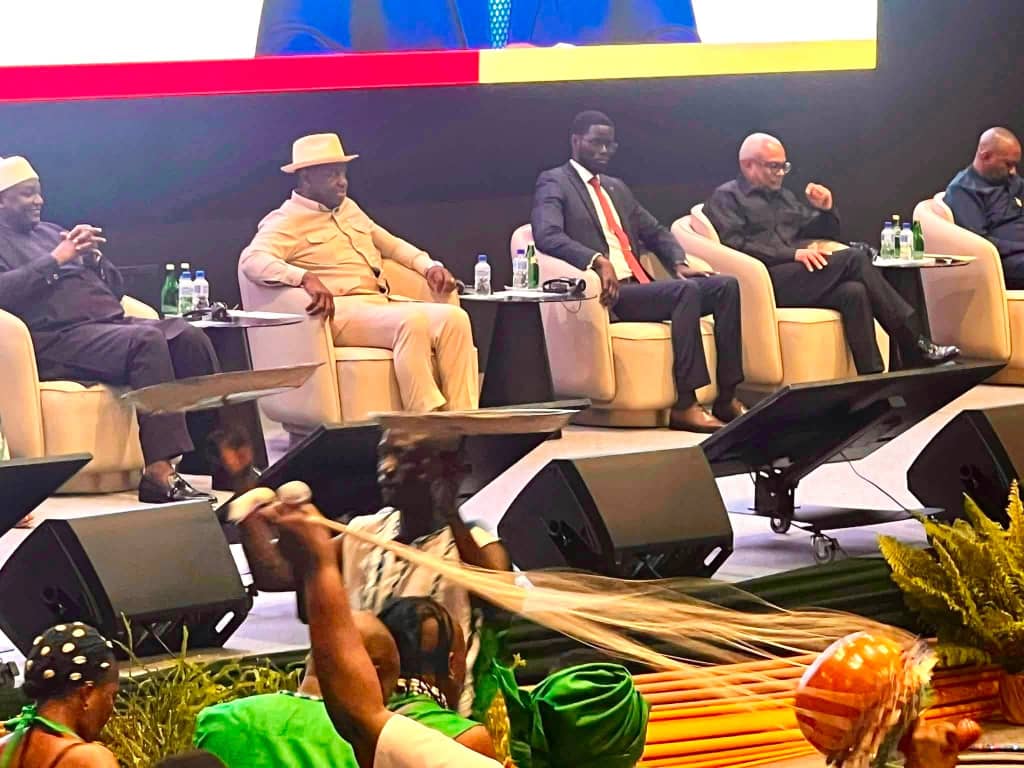
Sierra Leone has rolled out the red carpet for Heads of State and Government of the Economic Community of West African States (ECOWAS) as the country hosts the Community’s 69th Ordinary Session. The event has been portrayed as a diplomatic triumph, one that places Sierra Leone firmly at the centre of regional affairs.
But beyond the glittering ceremonies, official speeches and high-level security, “at what cost” remains the unavoidable question that continues to dominate public discussion.
Reports suggest that well over US$400 million has been committed to the construction of the new ECOWAS Conference Centre in Lungi and the hosting of the summit. While the Conference Centre itself is estimated to have cost about US$124 million, an additional US$200 million is said to have been allocated for hosting the event and related activities. Although these figures have not been officially broken down in detail, they have generated widespread concern among citizens who are already struggling under one of the harshest economic climates in recent history.
Speaking at the opening ceremony, ECOWAS Chairman and Sierra Leone’s President, Dr. Julius Maada Bio, argued that nations are remembered not only for the challenges they overcome but also for the institutions they leave behind. In naming the facility the Julius Maada Bio Conference Centre, the President described it, together with the ECOWAS Logistics Depot, as landmark investments that would strengthen regional integration, security and Sierra Leone’s future economic prospects.
That vision may sound inspiring. But inspiring speeches do not lower food prices. Ribbon-cutting ceremonies do not keep the lights on. Diplomatic prestige does not provide medicine in hospitals, create jobs for unemployed graduates or put clean water into communities that have gone years without a functioning tap.
This is where many Sierra Leoneans struggle to reconcile government priorities with everyday reality.
Millions of citizens continue to endure crippling inflation, rising transport fares, an unstable electricity supply, poor healthcare services, inadequate access to clean drinking water and widespread youth unemployment. Families are making painful choices between paying school fees, buying food and meeting healthcare costs. Businesses are collapsing under high operating expenses, while many young people see migration, not opportunity at home, as their only hope.
Against such a backdrop, spending hundreds of millions of dollars on a conference facility and a regional summit inevitably raises serious questions about whether the country’s priorities are aligned with the needs of its people.
No one disputes the importance of regional diplomacy. No one argues that Sierra Leone should isolate itself from ECOWAS. International conferences have their place, and modern infrastructure can support tourism, investment and economic activity.
But there is a profound difference between investing for development and investing for prestige.
A conference centre becomes a wise investment only if it generates consistent economic returns, attracts major international events, creates sustainable employment and contributes meaningfully to national revenue. Otherwise, it risks becoming an expensive monument admired by visitors but disconnected from the daily struggles of the citizens who ultimately paid for it. The opportunity cost is impossible to ignore.
Hundreds of millions of dollars could have transformed Sierra Leone’s healthcare system, equipped hospitals with life-saving medicines, expanded electricity generation, improved water supply, rehabilitated roads linking farming communities to markets, strengthened education and invested in agriculture to reduce food insecurity. These are investments that would touch the lives of millions every single day, not only during the few days of an international summit.
Perhaps most troubling is the symbolism.
Citizens have repeatedly been urged to tighten their belts, endure hardship and accept austerity in the name of economic recovery. Yet many now wonder whether that call for sacrifice applies equally across all levels of government. Fiscal discipline loses credibility when ordinary citizens are asked to bear the burden while public spending appears increasingly lavish.
If the government believes this investment will deliver long-term benefits, then it should welcome public scrutiny. Sierra Leoneans deserve transparency about the total cost of the Conference Centre, the financing arrangements, the operational plan, projected revenue, maintenance costs and the measurable economic returns expected over the coming years. Public money demands public accountability.
History will not judge this project by the elegance of its architecture, the number of dignitaries who attended its inauguration or the applause that echoed through its halls. It will judge it whether this investment did improve the lives of Sierra Leoneans.
If, years from now, the Conference Centre stands busy, generating jobs, attracting investment and contributing significantly to national income, history may vindicate those who championed it.
But if it becomes another underutilized public facility while poverty deepens, hospitals remain under-equipped, electricity remains unreliable and families continue to struggle to afford the basics, then no amount of diplomatic fanfare will erase the conclusion that Sierra Leone chose prestige over people.
For a nation where countless citizens still fight daily for survival, legacy is not measured by monuments of concrete and steel, it is measured by the lives that are changed.