
THE FIRST LADY’S DILEMMA
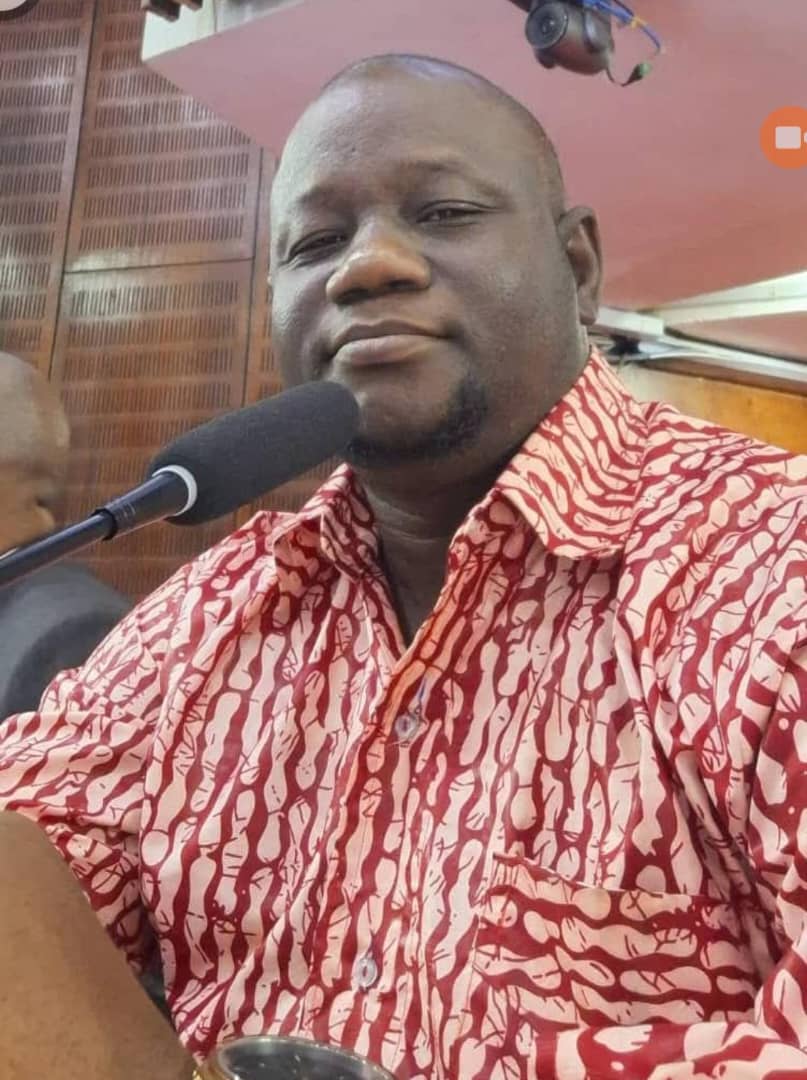
By Hon. Alpha Ben Mansaray, MP, Moyamba District*
The recent controversy surrounding First Lady Fatima Maada Bio’s statements on Female Genital Mutilation has exposed a troubling contradiction in Sierra Leone’s national discourse on women’s rights and child protection.
Years ago, the First Lady publicly stated that she did not allow her own daughters to undergo circumcision because she “did not want to see them cry.” Yet that simple statement raises a profound question: if the pain and suffering associated with the practice were unacceptable for her daughters, why should it be acceptable for the daughters of ordinary Sierra Leoneans?
THE IRONY OF LEADERSHIP
Leadership is not merely about protecting one’s own family; it is about advocating for the welfare of every child under your nation’s flag. When public officials send mixed signals on sensitive issues, they create confusion, embolden harmful practices, and weaken efforts by activists who have spent years campaigning for reform.
The debate surrounding FGM is not simply a cultural argument. It is also a human rights issue that has attracted international attention. Global health and human rights organizations continue to describe FGM as a violation of the rights of women and girls and have called for its elimination worldwide.
Recent reports indicate that the First Lady faced criticism both locally and internationally after participating in activities associated with the Bondo society and making comments that critics interpreted as supportive of the continuation of the practice. The controversy became so significant that campaigners challenged her participation in international women’s empowerment events.
CONVENIENCE VS PRINCIPLE
To be fair, the First Lady has also stated that she opposes forced circumcision and has condemned any initiation carried out without consent. However, this position still leaves unanswered questions about where national leadership stands on the broader issue.
The real concern is not Fatima Bio alone. The concern is the political culture that often says one thing abroad and another thing at home. It is the culture of political convenience, where leaders attempt to satisfy both reformists and traditionalists without taking a clear and principled position.
A nation cannot effectively protect girls while simultaneously sending signals that encourage practices known to cause physical and psychological harm. Neither can we claim to champion the rights of women while avoiding honest conversations about customs that affect their health and dignity.
THE TEARS OF THE NATION
The statement, “I did not want to see my daughters cry,” may have been intended as a mother’s expression of love. Yet it has become a powerful symbol of the unequal standards that too often define public leadership.
Every mother does not want to see her daughter cry. Every father does not want to see his daughter suffer. Every child deserves equal protection.
The tears of the poor should matter just as much as the tears of the powerful.
If pain is sufficient reason to protect the daughters of the powerful, then it should be sufficient reason to protect the daughters of the poor. Leadership demands consistency, not convenience.
That is the question Sierra Leone must answer — not through political speeches, but through moral courage, honest dialogue, and principled leadership.