INFLATION SOARS!
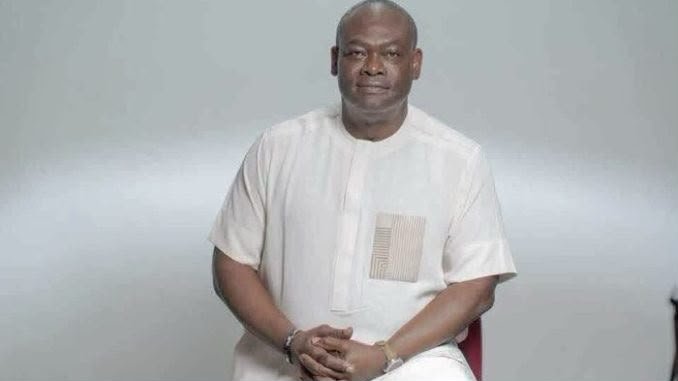
The Government of President Julius Maada Bio is facing renewed questions over its management of Sierra Leone’s struggling economy following revelations by Financial Secretary Matthew Dingie that inflation has climbed from 4.5 percent to approximately 14–15 percent, raising fresh concerns about the rising cost of living, fiscal discipline and the administration’s spending priorities.
The development comes amid growing public frustration over economic hardship, persistent pressure on household incomes, inadequate funding for essential public services and the frequency of President Bio’s overseas engagements, whose cumulative financial implications remain a matter of legitimate public interest.
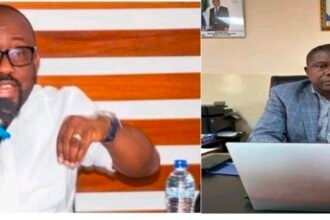
Speaking on a local television programme, as reported by New Age Newspaper on Thursday, October 29, 2026, Financial Secretary Matthew Dingie acknowledged the sharp increase in inflation, attributing the situation largely to rising energy prices associated with developments in the Middle East.
According to Dingie, international energy price fluctuations remain beyond the direct control of the Sierra Leone Government, although the administration continues to implement social protection measures intended to cushion vulnerable citizens against worsening economic conditions.
“We can’t control the price hike, but we do social protection,” the Financial Secretary was quoted as saying.
While external economic shocks undoubtedly affect import-dependent countries such as Sierra Leone, the latest inflation figures raise fundamental questions about the government’s preparedness, economic resilience and ability to protect ordinary citizens from the consequences of rising prices.
For an administration that has repeatedly assured Sierra Leoneans of its commitment to economic recovery, fiscal consolidation and improved living standards, the reported resurgence of inflation represents a troubling development requiring more than explanations about international market conditions.
The government cannot control global energy prices, but it remains responsible for domestic fiscal policies, expenditure management, revenue mobilisation and the prioritisation of scarce public resources.
Particularly troubling is the apparent contradiction between the government’s repeated appeals for financial restraint and the continuing expenditure associated with high-level international travel.
President Bio’s frequent overseas engagements have increasingly become a subject of public scrutiny, particularly at a time when critical government institutions are reportedly struggling to secure the financial resources necessary to discharge their statutory responsibilities.
Although presidential diplomacy is an established responsibility of the Head of State and can produce important economic and diplomatic benefits, questions remain about whether the costs of such engagements are sufficiently transparent and proportionate to the country’s prevailing economic circumstances.
Every presidential journey potentially involves expenditure on transportation, accommodation, official delegations, allowances, security arrangements and other logistical commitments.
The precise cumulative cost of President Bio’s international travels has not been established in this report. Nevertheless, the frequency of these engagements makes it imperative for the government to disclose how much public money is being spent, the size of official delegations and the measurable economic benefits accruing to Sierra Leone.
At a time when inflation is reportedly approaching 15 percent, the government owes citizens a convincing explanation of why expenditure on presidential travel should remain a priority while essential public institutions face serious financial difficulties.
The situation becomes particularly disturbing when examined against the worsening welfare and operational challenges confronting sections of the country’s security sector.
Recent investigations by Salone Compass Newspaper have highlighted serious concerns within the Sierra Leone Police and Sierra Leone Correctional Services, where personnel have reportedly endured prolonged interruptions in their monthly rice supplies alongside shortages of fuel, operational allocations and other essential provisions.
The National Fire Force has similarly been reported to be experiencing resource constraints that threaten its capacity to respond effectively to emergencies.
These are institutions entrusted with protecting lives, maintaining national security, enforcing the law and safeguarding public property.
Their ability to operate effectively should therefore constitute a fundamental priority in government expenditure.
Yet the continued financial difficulties confronting these institutions raise uncomfortable questions about the allocation of public resources and the effectiveness of the government’s expenditure controls.
If the government is struggling to meet basic obligations to police officers, correctional personnel and firefighters, it becomes reasonable to demand greater transparency concerning expenditure on presidential movements, ministerial delegations, overseas conferences and other non-essential administrative activities.
The issue is not whether President Bio should travel abroad in the discharge of his constitutional responsibilities. Rather, it is whether the scale, frequency and financial implications of such travels are consistent with the economic sacrifices being demanded of ordinary Sierra Leoneans.
Equally concerning is the government’s continued dependence on external financial assistance to address the social consequences of economic hardship.
According to the Financial Secretary, a US$42 million World Bank grant is expected to support direct cash transfers benefiting approximately 69,336 people across 11,606 households.
While the intervention could provide meaningful relief to vulnerable families, its announcement also underscores the continuing importance of donor-supported social protection in a country where household purchasing power remains under considerable pressure.
The proposed cash transfer programme, although commendable as a temporary intervention, cannot substitute for comprehensive economic reforms capable of stabilising prices, expanding employment opportunities, improving domestic production and reducing the country’s vulnerability to external shocks.
More importantly, the government must explain how the programme’s beneficiaries will be selected, when payments will commence, how much each eligible household will receive and what accountability mechanisms will prevent misuse of the funds.
The allocation of US$42 million to a social protection programme should be accompanied by clear information on administrative costs, implementation arrangements and the proportion of funding that will ultimately reach vulnerable households.
For ordinary Sierra Leoneans, the most pressing concern remains the widening gap between official pronouncements about economic recovery and the realities confronting families in markets, communities and workplaces across the country.
Rising transportation costs, electricity expenses, food prices and other essential household expenditures can quickly erode incomes, particularly among low-paid public servants, informal workers and unemployed young people.
Inflation approaching 15 percent, if confirmed by official statistics, would represent a significant deterioration from the previously reported 4.5 percent rate and could further undermine the purchasing power of already financially constrained households.
The latest development also places renewed attention on the government’s economic management team, particularly the Ministry of Finance, whose responsibility extends beyond explaining fiscal challenges to ensuring that public expenditure reflects the country’s most urgent development and welfare priorities.
President Bio’s administration has repeatedly emphasised economic transformation, agricultural productivity, investment promotion and sustainable development as central pillars of its governance agenda.
However, the effectiveness of these commitments must ultimately be measured against tangible improvements in citizens’ living conditions, the reliability of essential public services and the government’s ability to honour its financial obligations.
The resurgence of inflation therefore presents a serious test of the administration’s economic policies and its commitment to responsible public financial management.
Rather than relying predominantly on external economic developments to explain domestic hardship, the government must demonstrate what practical measures are being implemented to strengthen economic resilience, control avoidable expenditure and direct scarce resources towards essential national priorities.
There is also an urgent need for greater parliamentary scrutiny of expenditure on presidential and ministerial travels, including a comprehensive accounting of travel-related allocations, actual disbursements and the outcomes of major overseas engagements.
Such scrutiny would not undermine the presidency. On the contrary, it would strengthen public confidence in government institutions and demonstrate that the country’s leadership is prepared to subject its own expenditure to the same standards of accountability expected throughout the public sector.
The government should also clarify whether expenditure on international engagements has increased or decreased during the period of heightened fiscal pressure and whether meaningful savings could be redirected towards security sector welfare, healthcare, education, infrastructure maintenance and other essential services.
Without verified expenditure figures, it would be premature to conclude that presidential travels are directly responsible for the country’s inflationary pressures or the financial difficulties confronting public institutions.
Nevertheless, the absence of comprehensive public disclosure makes it difficult for citizens to assess whether the administration is exercising sufficient restraint in its spending decisions.
Ultimately, Sierra Leone’s economic difficulties cannot be explained away entirely by events in the Middle East or fluctuations in international energy markets.
External pressures may contribute to inflation, but domestic economic management, fiscal discipline, spending priorities and institutional accountability remain squarely within the responsibilities of the government.
As the country confronts another period of rising inflation, the Bio administration faces a fundamental question: How can the government justify continued expenditure on high-level international engagements without clearly demonstrating their value for money, while essential public institutions struggle to meet basic obligations and ordinary citizens endure mounting economic hardship?
For a government that continues to promise economic recovery and improved living standards, the time has come to match those assurances with demonstrable fiscal restraint, greater transparency and concrete measures that directly improve the lives of Sierra Leoneans.
Until then, the widening contrast between the financial pressures confronting ordinary citizens and the expenditure associated with the country’s political leadership will continue to fuel questions about the government’s economic priorities and its commitment to prudent management of public resources.