Inflation, fuel, electricity, forex crisis…
SIERRA LEONE IN DIRE STATE!

Sierra Leone is sliding deeper into economic distress as rising inflation, worsening fuel scarcity, critically low foreign exchange reserves, mounting fiscal pressures and unreliable electricity and water supplies continue to compound the suffering of ordinary citizens.
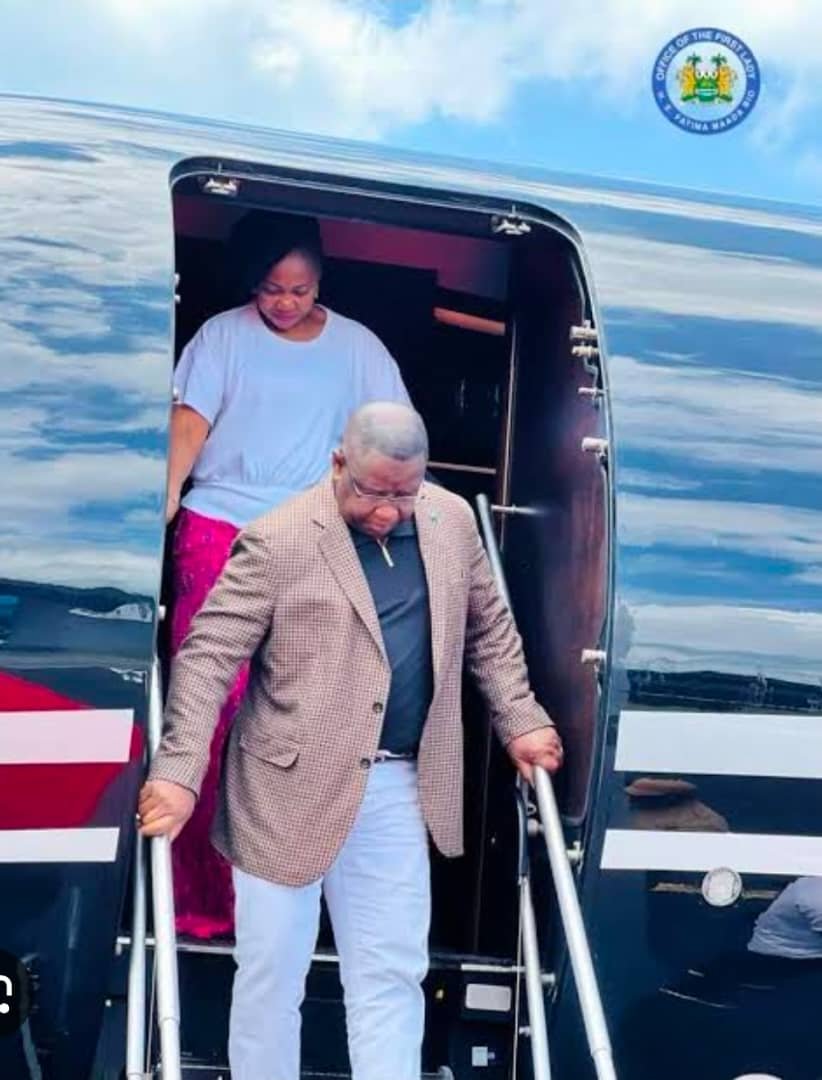
Yet, amid these troubling economic realities, President Julius Maada Bio continues his frequent overseas engagements, raising serious questions about his administration’s priorities, fiscal discipline and urgency in addressing the growing domestic crisis.
The country’s economic indicators paint a disturbing picture. Inflation, which stood at 4.4 per cent in December 2025, surged to 17.08 per cent in September 2026, with the International Monetary Fund (IMF) projecting a further increase to 19 per cent by the end of the year.
Foreign exchange reserves have reportedly dwindled to approximately 1.8 months of import cover, falling significantly below the internationally recognised benchmark of three months and leaving the import-dependent economy dangerously exposed to external shocks.
While access to the US dollar is becoming increasingly difficult for importers, the resulting foreign exchange pressures threaten to further undermine the purchasing power of citizens and increase the cost of essential commodities.
Compounding the crisis is a staggering fiscal deficit. Figures drawn from the Ministry of Finance’s September fiscal report indicate that the government recorded a cash deficit of approximately NLe7.1 billion during the first nine months of 2026, exceeding the original annual budget target of NLe4.4 billion by more than 60 per cent.
Meanwhile, worsening fuel scarcity has left motorists scrambling for petrol, disrupted commercial activities and threatened the livelihoods of thousands of Sierra Leoneans. The government itself acknowledged on 23 November that difficulties in accessing foreign exchange were a major factor behind the prevailing fuel shortages.
Electricity remains unreliable, while access to regular water supplies remains another pressing concern. Businesses are struggling with rising operational costs, households are battling economic hardship, and essential public services remain under enormous pressure.
Against this grim backdrop, President Bio’s continued overseas travels deserve greater public scrutiny. The President reportedly proceeded to Gabon following his participation in an international public health conference in Addis Ababa this week.
While international diplomacy and investment promotion are legitimate presidential responsibilities, the frequency, financial implications and tangible domestic benefits of such trips warrant closer examination, particularly at a time of severe fiscal and foreign exchange constraints.
The government has attributed much of the renewed economic pressure to rising global oil prices and external shocks. However, these challenges make prudent expenditure, effective domestic leadership and sound economic management even more imperative.
With inflation climbing, fuel supplies tightening, foreign reserves dangerously low, public finances under strain and basic services faltering, Sierra Leone can ill afford excessive expenditure or misplaced priorities.
The country desperately needs economic rescue, fiscal discipline and decisive leadership.
Sierra Leoneans cannot continue to endure darkness, dry taps, empty fuel stations and shrinking purchasing power while their President continues to criss-cross the globe.