By: Ibrahim Alusine Kamara (Kamalo)
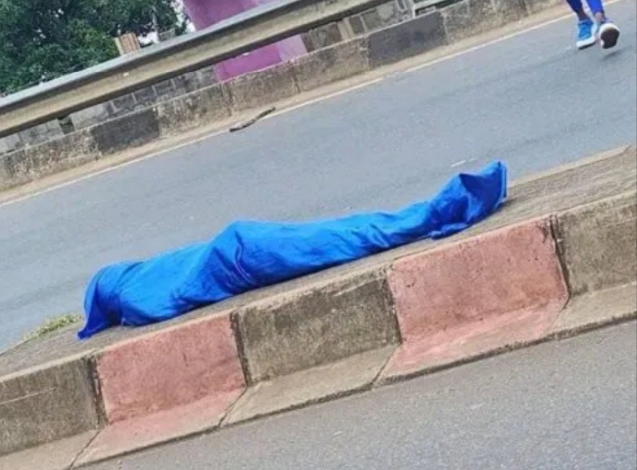
The persistent dumping of human corpses on the streets of Freetown by unknown individuals continues to pose serious public health, safety, and sanitation risks for residents of the capital city. What should be treated as a national emergency has instead been met with institutional paralysis and political finger-pointing.In 2025, the Freetown City Council (FCC) took a proactive role in addressing the grim phenomenon by routinely collecting abandoned bodies found across the municipality. Between January and October of that year alone, the Council announced that it had recovered at least 220 corpses from the streets. The FCC attributed the alarming rise in such deaths largely to the growing use and abuse of synthetic drugs, a claim that sparked public debate and drew attention to the worsening social crisis in the city.However, instead of triggering coordinated government action to confront the underlying causes and protect public health, the FCC’s disclosure was met with swift resistance from sections of central government. The Ministry of Local Government, in particular, formally wrote to Mayor Yvonne Aki-Sawyer, questioning her decision to make the figures public. The Ministry faulted the Mayor for allegedly acting unilaterally, arguing that such sensitive information should have been handled through “collective efforts” rather than public communication.The fallout from this rebuke proved costly. In the wake of the Ministry’s intervention, the Mayor suspended the FCC’s street corpse collection exercise—effectively halting the only visible institutional response to the crisis. Since then, the Ministry of Local Government, having undermined the FCC’s efforts, has failed to put in place any alternative mechanism or coordinated response to address the situation.Today, bodies continue to be dumped on the streets of Freetown with disturbing regularity. Communities are left exposed to the risks of disease outbreaks, psychological trauma, and the erosion of human dignity, while government authorities remain conspicuously inactive. The silence and inaction raise troubling questions: who is now responsible for collecting abandoned corpses? Who is safeguarding public health? And why has political sensitivity been allowed to override urgent humanitarian and sanitation concerns?In Waterloo, the situation is threatening, and the lethargy in swift action to collect the abandoned corpses, observers say, may not be unconnected to fear resulting from the Local Government Ministry’s action against the Freetown Mayor. As corpses continue to be piled up in the streets to rot, health risks multiply, and residents are left to wonder whether governance has become more about avoiding embarrassment than protecting lives—both the living and the dead.