
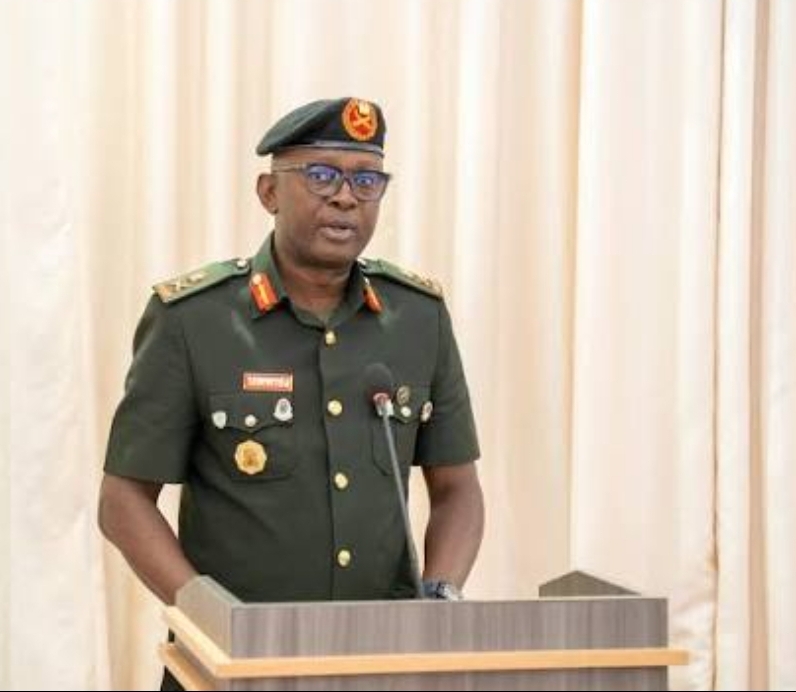
By Ibrahim Alusine Kamara (Kamalo)
In a shocking turn of events, Sierra Leone has added another grim chapter to its history of alleged human rights violations. Reports from Makoloh reveal a troubling blend of militarization, impunity, and suspected corruption that ties state security forces to private corporate interests. On Sunday, a soldier stationed at the Makoloh Toll Gate reportedly fired live rounds at an unarmed civilian, Daniel Sesay, leaving him critically injured and in a coma. Daniel was not armed, was not resisting arrest, and posed no threat to anyone. He was a young father of two, the sole provider for a family of six, including his elderly parents. Locals claim he was shot simply because of a toll dispute. Eyewitnesses suggest that the shooting stemmed from rising tensions over a bypass road built by the community to avoid daily toll fees. Residents argue that this bypass became necessary after CRSG, the Chinese company managing the toll gate, allegedly failed to fulfill its promise to improve alternative routes for the affected communities, as outlined in its agreement with the Government of Sierra Leone. Instead of addressing the road issues, locals say the response has been armed intimidation. They alleged that soldiers at the toll gate have openly threatened to shoot anyone trying to bypass toll payments, effectively turning the Sierra Leone Army from a national defense force into a private revenue collector. On the day of the incident, Daniel was reportedly shot for helping a vehicle avoid the toll gate. This was not an act of violence; it was a tragic outcome over a financial dispute. Community leaders argue that this incident is part of a disturbing trend of increasing indiscipline within the Sierra Leone Army, where firearms are being used to resolve conflicts rather than to protect lives.On at least two separate occasions, soldiers have reportedly fired live rounds at their own superiors, raising serious alarms about a collapse in command, discipline, and accountability. When soldiers can shoot their commanders without facing any repercussions, it’s only a matter of time before civilians become the next targets. Adding fuel to the fire are troubling claims that CRSG paid between Le 300 million and Le 500 million to the Local Unit Commander (LUC) at Makoloh and the Paramount Chief, PC Bomboli of Koya Chiefdom, to prevent local communities from building or using alternative routes. Community members alleged that these payments were intended to push residents onto the toll road, despite CRSG’s failure to uphold its contractual commitments. If these claims hold water, they reveal a dangerous partnership between corporate interests, traditional leaders, and armed state security—where brute force takes precedence over the rule of law.When reached for comment, LUC John B. Koroma acknowledged that locals are indeed being barred from constructing or using alternative routes but chose not to elaborate on the reasons or the bribery allegations. The Director of Communications for the Sierra Leone Army, Lt. Colonel Yayah Brima, also declined to comment, stating that a Press Release would be issued when the timing is appropriate. Sources within the RSLAF confirmed to Salone Compass yesterday that the officer involved has been arrested and is currently in detention. CRSG, the entity under which the soldiers and other actors operate, has remained tight-lipped. Repeated attempts to get a response have been unsuccessful, further fueling public perceptions of institutional silence and a culture of impunity. Residents report living in constant fear—harassed by police, military, and traditional authorities—for simply trying to repair an alternative road that they believe is clearly covered under the toll road contract. This situation can no longer be brushed off as an isolated incident. It highlights a systemic failure where soldiers are deployed against civilians, and alleged bribery is rampant. As the armed forces take over more of the governance, the everyday lives of Sierra Leoneans are hanging by a thread—and the price of staying silent could very well be paid in blood.