
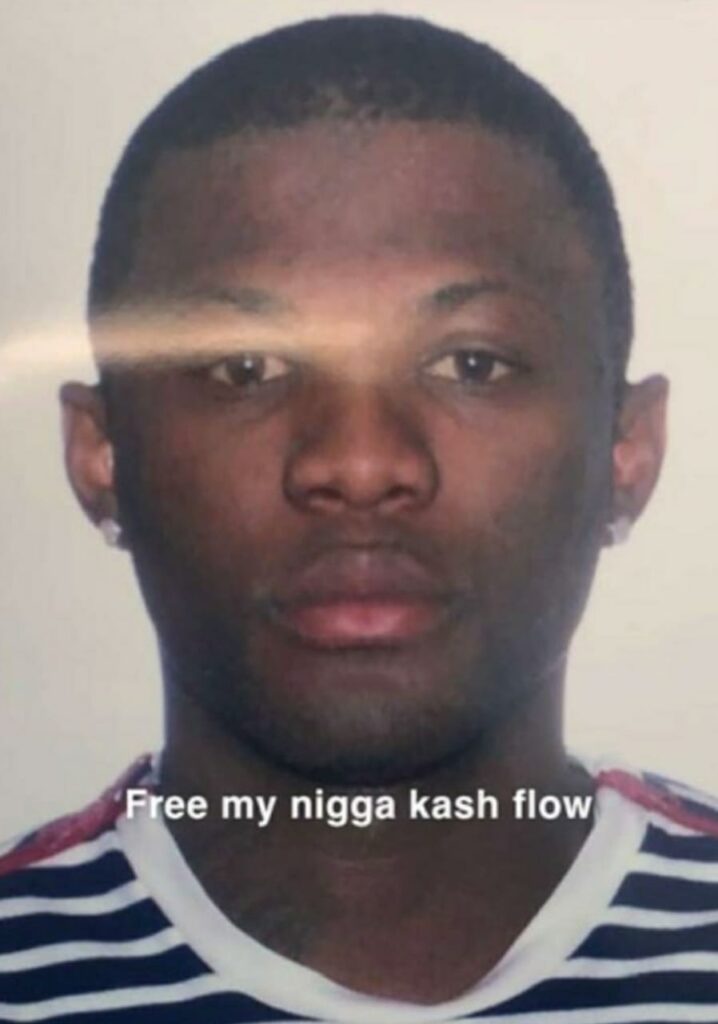
Former Child Soldier Faces Repeated Kidnappings After Deportation to Sierra Leone
A Sierra Leonean national and former child soldier, Ibrahim Jalloh, has been kidnapped twice and violently assaulted since his deportation from Canada, raising serious concerns about his safety and the risks faced by war survivors returned to the country.
Jalloh, 36, who resides at 130 Fourah Bay Road in Freetown, was forcibly recruited as a child during Sierra Leone’s decade-long civil war, an experience that exposed him to extreme violence and lasting psychological trauma. After the conflict, he later reunited with his father, the late Ibrahim Jalloh, and relocated to Canada in search of safety and stability.
Despite his background and vulnerability, Jalloh was deported back to Sierra Leone. Since his return, he has reportedly become the target of repeated violent attacks linked to his identity as a former child soldier, lingering stigma from the war, and the absence of adequate protection mechanisms.
In March 2024, Jalloh was abducted by unknown assailants in what relatives describe as a brutal kidnapping. He was severely beaten, threatened, and later released in a traumatised state. The attack reportedly left him with both physical injuries and deep psychological scars.
A second kidnapping occurred in April 2025. According to accounts, Jalloh was seized around 2:00 a.m. after being dragged off a motorcycle by his attackers. He was violently assaulted and beaten to the point of near death before being rushed to hospital for emergency treatment.
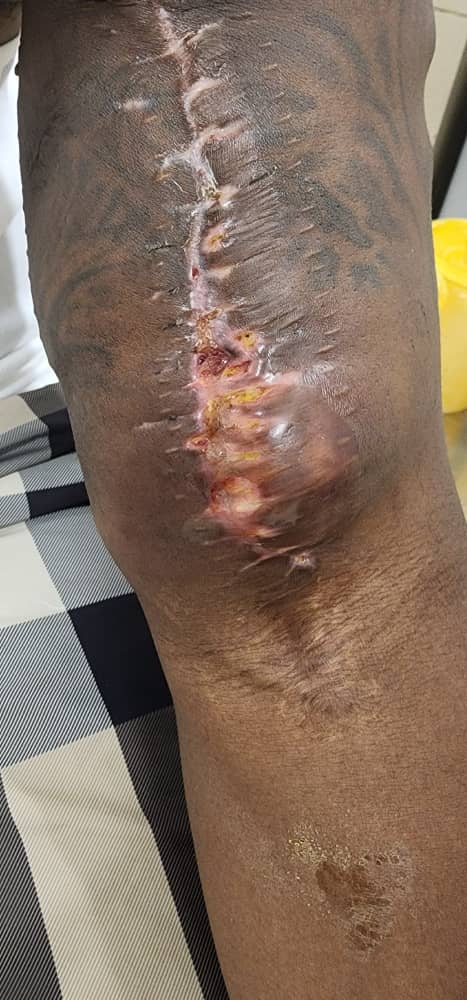
Sources close to the case say the attackers targeted Jalloh because of his past as a child soldier and his perceived vulnerability. The two incidents, occurring just over a year apart, point to what observers describe as a clear pattern of persecution.
Human rights advocates warn that Jalloh’s case highlights the ongoing dangers faced by some former child soldiers in post-war Sierra Leone, where stigma, recognition by former associates, and weak protection systems can expose returnees to serious harm.
Those familiar with Jalloh’s situation say he now lives in constant fear, believing his life is at immediate risk if he remains in the country. They argue that his deportation has placed him in foreseeable danger, citing the repeated kidnappings and extreme violence he has endured.
As calls grow for urgent protection, Jalloh’s case is likely to intensify debate around deportations involving conflict survivors and the responsibility of states to ensure that returnees are not exposed to life-threatening conditions upon removal.
As at press time, Jalloh’s whereabouts remain unknown as sources familiar with his case fear the worst could have happened.