
RIP-OFF!
…PARLIAMENT EXPOSES MACCEM

By Gibrilla Kamara
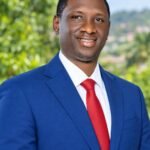
The Deputy Leader of Government Business in the Sierra Leone Parliament, Hon. Bashiru Silikie Koroma, has launched a blistering criticism of the country’s cement industry, particularly MACCEM Cement, raising serious concerns over alleged unfair trade practices, questionable fiscal concessions, escalating cement prices and potential revenue losses to the State.
Speaking during a parliamentary sitting on Thursday, 29th October 2026, Hon. Silikie expressed grave dissatisfaction with developments in the cement sector, accusing manufacturers of engaging in practices that threaten consumer interests, undermine government revenue mobilisation and expose ordinary Sierra Leoneans to unnecessary economic hardship.
Central to his concerns was the alarming increase in cement prices, which he disclosed had reportedly reached NLe230 per bag, making the essential construction material increasingly unaffordable for ordinary citizens struggling with the country’s prevailing economic difficulties.
The outspoken lawmaker questioned the justification for such high prices, particularly when cement manufacturers continue to benefit from government concessions intended to support industrial operations, encourage investment and make essential commodities affordable.
Hon. Silikie further raised disturbing allegations concerning the actual weight of cement bags being sold on the local market, questioning whether consumers are receiving the quantities advertised by manufacturers.
He specifically challenged claims surrounding the packaging and labelling of cement bags, including those reportedly marketed as weighing 25 kilograms, suggesting that some products might not meet the declared weight specifications.
His intervention brought into sharp focus the responsibility of regulatory institutions to ensure that cement manufacturers comply with established standards and that consumers are not shortchanged through misleading packaging or questionable trade practices.
Another major concern raised by the Deputy Leader of Government Business was the continued dependence of cement companies on imported materials from countries including China and Egypt.
He questioned the economic benefits of arrangements that allow manufacturers to import substantial quantities of cement-related products while enjoying concessions ostensibly designed to promote domestic industrial development.
According to the lawmaker, such practices require urgent scrutiny to determine whether the country is receiving the anticipated economic benefits from concessions granted to operators in the cement industry.
Turning his attention specifically to MACCEM, Hon. Silikie questioned aspects of the company’s 2024 concession agreement, alleging that certain operational and fiscal provisions were inconsistent with the original arrangements established between the company and the Government of Sierra Leone.
He expressed concern that weaknesses within the concession framework could be exploited to the detriment of the State, potentially depriving government of much-needed revenue at a time when domestic revenue mobilisation remains a major national priority.
The lawmaker’s intervention raised fundamental questions about whether the concessions granted to MACCEM are delivering value for money, protecting national economic interests and providing corresponding benefits to consumers.
Hon. Silikie warned that failure to address the emerging concerns could have serious consequences for the country’s economy, potentially triggering what he described as an “economic strike”, with ordinary Sierra Leoneans ultimately bearing the greatest burden.
He consequently called for urgent intervention by the Speaker of Parliament and the Minister of Trade and Industry to examine the operations of cement manufacturers, review the controversial concession arrangements and address the alleged irregularities affecting the sector.
His concerns also brought renewed attention to the effectiveness of parliamentary oversight mechanisms, particularly the responsibility of relevant committees to monitor concession agreements and ensure that companies benefiting from government incentives honour their obligations.
The intervention attracted contributions from other lawmakers, who similarly expressed concerns over the implications of poorly monitored concessions for government revenue and economic accountability.
The parliamentary exchanges culminated in calls for a high-level engagement involving relevant ministers, regulatory authorities and cement industry stakeholders to review the contentious arrangements and establish appropriate corrective measures.
The issues raised by Hon. Silikie now place MACCEM and the wider cement industry under renewed public scrutiny, particularly regarding pricing, product weight compliance, import arrangements and the actual financial benefits accruing to the State from existing concessions.
For many Sierra Leoneans, the central question remains whether cement manufacturers enjoying government concessions are fulfilling their obligations to the country or benefiting from arrangements that leave consumers paying excessively high prices while the State potentially loses substantial revenue.
The allegations raised in Parliament remain matters requiring independent verification and regulatory examination. MACCEM’s response to the specific concerns was not included in the account of the proceedings made available to this medium.
As pressure mounts for greater transparency and accountability, Hon. Bashiru Silikie’s intervention has underscored the urgent need for government and Parliament to establish whether the country’s cement concession regime is serving the national interest or disproportionately benefiting private operators at the expense of the State and ordinary citizens.