
Ending UASA Strike…
VP JALLOH DELIVERS AGAIN

*By Bobson Amadu Thoronka*
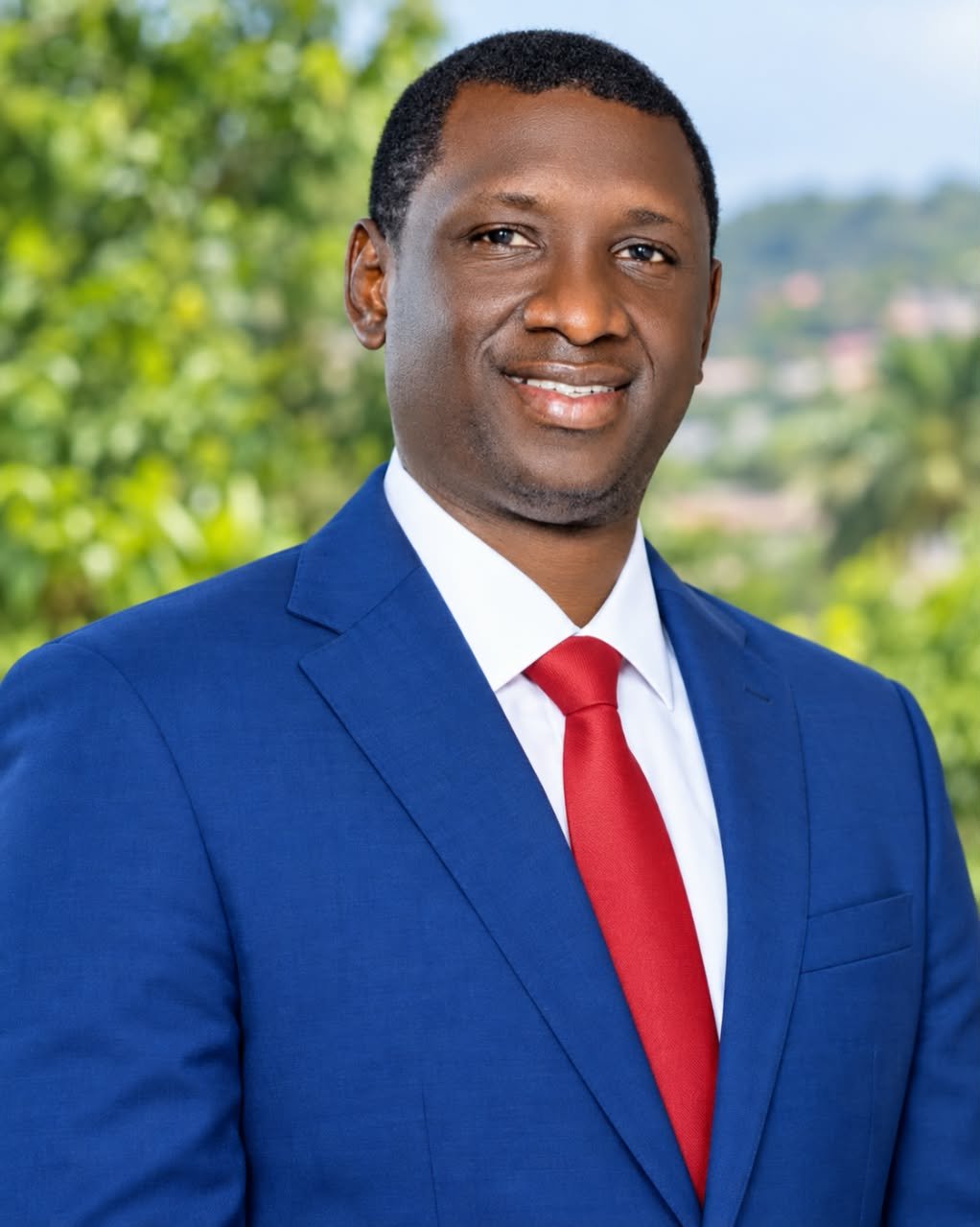
The latest intervention by Vice President Dr Mohamed Juldeh Jalloh in the industrial dispute between the Government of Sierra Leone and the Union of Academic Staff Associations (UASA) is another illustration of the increasingly important role the Office of the Vice President plays in managing critical national negotiations.
The UASA press release of 6 November 2026 acknowledges the Vice President’s intervention, following which the union agreed to suspend its industrial action and return to work while awaiting a written agreement from the Ministry of Finance.
This is not an isolated responsibility. In January 2021, Vice President Jalloh personally convened university lecturers and government representatives at Fourah Bay College to address a nationwide lecturers’ strike over salaries and conditions of service.
The intervention resulted in the establishment of a 14-member committee involving government ministries, university representatives and the academic staff associations.
The Vice President appealed for what he described as “national shared solidarity” to resolve the impasse. The negotiations subsequently contributed to a government commitment to increase academic staff salaries. These engagements demonstrate how the Office of the Vice President has repeatedly provided a high-level platform for resolving disagreements between government and important professional and institutional stakeholders.
Beyond labour and education, the Office has also become an important instrument for managing political tensions and sustaining engagement with opposition stakeholders.
Following the disputed June 2023 general elections, President Julius Maada Bio announced plans for an electoral systems review committee to be led by the Vice President. Subsequently, the October 2023 Agreement for National Unity between the Government and the opposition All People’s Congress (APC) provided for an independent cross-party committee to review electoral systems and management bodies. It is important to acknowledge that the October mediation itself was facilitated by ECOWAS, the African Union and the Commonwealth, with the government delegation led by Chief Minister Dr David Moinina Sengeh.
However, the Vice President’s subsequent involvement in government engagements around the implementation of the agreement demonstrates the Presidency’s reliance on his office in managing sensitive political relationships. More recently, in April 2026, Dr Juldeh Jalloh led the government’s delegation in engagements with international moral guarantors and the APC. He also met APC-led mayors and district council chairpersons amid the continuing political impasse.
Speaking after the latter engagement, he said: “We discussed our mutual desire for a swift resolution to the current political impasse.” He further explained: “The IMC has a distinct role in facilitating dialogue and joint solutions.” These engagements illustrate the importance of the Vice President’s office as a bridge between the executive and political stakeholders, including those outside the governing party.
The significance of these interventions lies in the strategic position of the Vice President within the executive branch. While the President provides overall political leadership, the Vice President can serve as a trusted representative of the Presidency, bringing together ministries, public institutions, organised labour, professional associations, local government authorities, traditional leaders, development partners and opposition political actors around difficult national questions.
The official mandate of the Office includes supporting the coordination and supervision of government functions, facilitating inter-ministerial collaboration and providing leadership on strategic national priorities. This makes it an important institutional channel for resolving disagreements that might otherwise disrupt public services, undermine institutional confidence or deepen political divisions.
From the university lecturers’ disputes to engagements with the APC and now the UASA industrial impasse, the pattern is clear: the Office of the Vice President has become an important convening and negotiation platform in Sierra Leone’s governance architecture. Its effectiveness, however, will ultimately be measured not simply by the number of meetings convened, but by the durability of agreements reached, the confidence of participating stakeholders and the government’s ability to honour its commitments.