
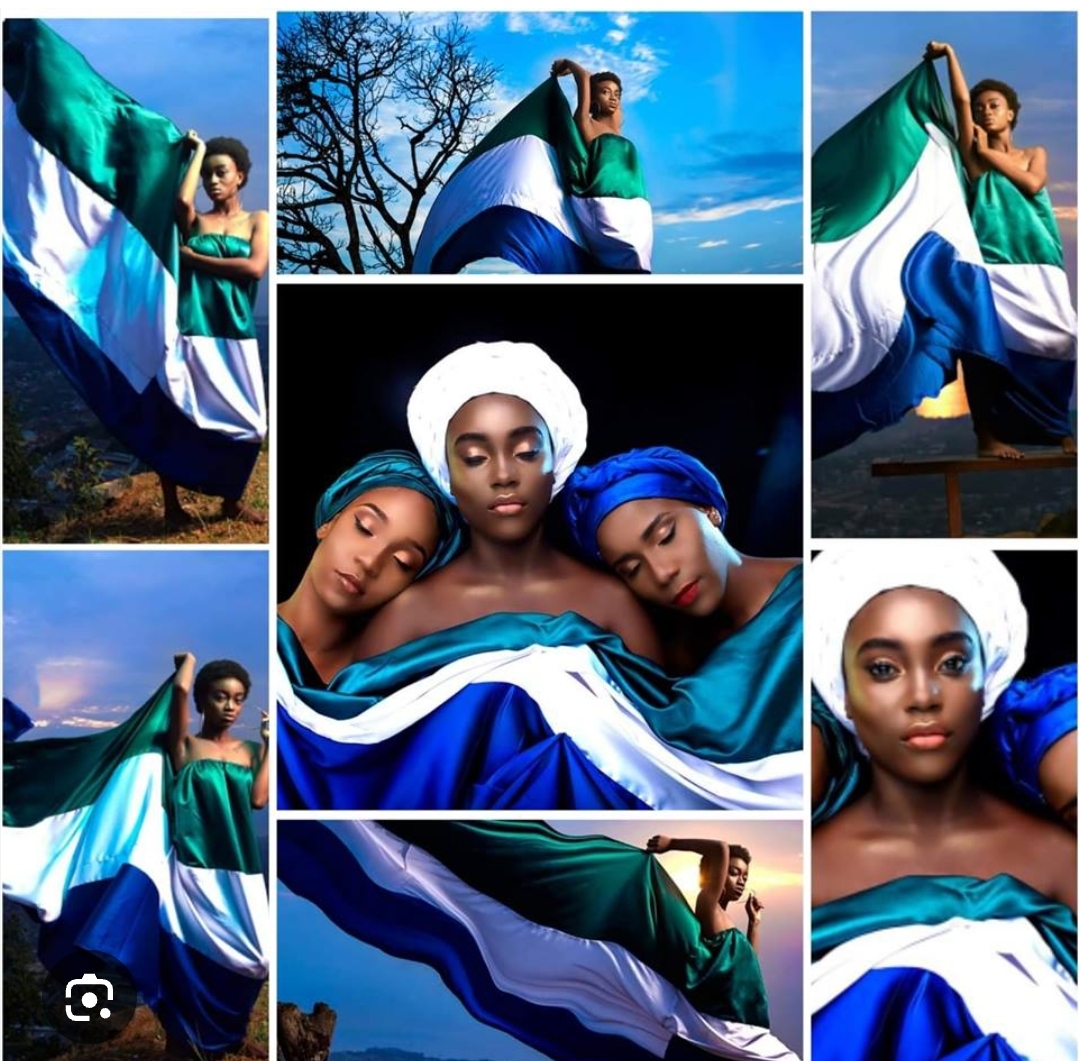
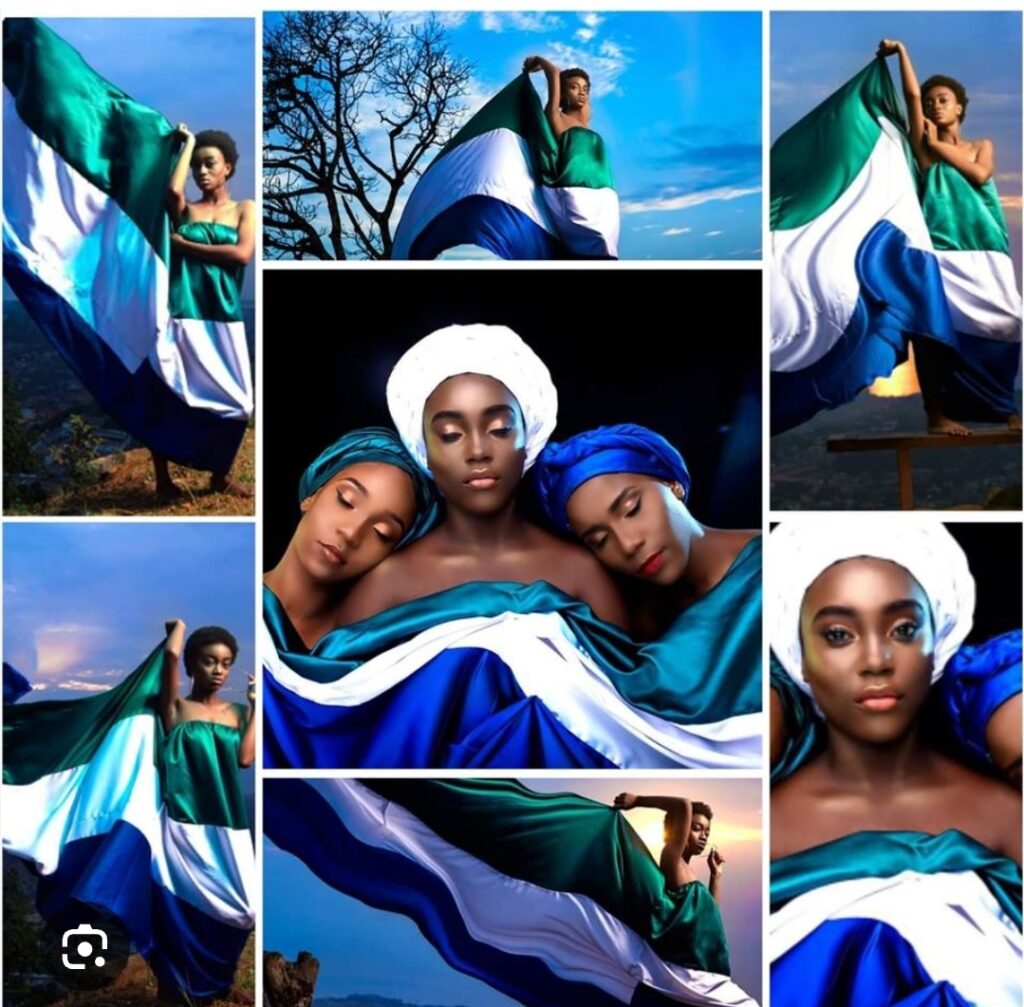
SALONE @65:
A NATION STILL IN CHAINS
By Ibrahim Alusine Kamara (Kamalo)
Come Monday, April 27, 2026, Sierra Leoneans at home and abroad, joined by friends of the nation across the world, will celebrate the 65th anniversary of their Independence. Yet beyond the expected pomp, pageantry, flags, and speeches, the more urgent question is this: what has Independence truly meant for the people of Sierra Leone, and how well have we used it?
We at Salone Compass do not suggest that all has been bleak since April 27, 1961, when Sierra Leone gained freedom from Great Britain. There have been achievements, moments of progress, and periods of national hope. But it is equally true that if Independence had been properly harnessed, Sierra Leoneans would not still be trapped in the economic hardship, political division, and social struggles many face today.
The real issue, therefore, is not merely who should be blamed for these lost decades, but how we can correct course. The time has come not only to examine our failures, but to propose solutions capable of reshaping the national mindset beyond the anniversary celebrations.
There is little doubt that Sierra Leoneans were, in many respects, more united under colonial administration than they are today. The post-independence era has too often been marked by destructive tendencies: excessive partisanship, tribalism, regionalism, nepotism, corruption, and a dangerous culture of self-interest. Nationalism has too often been auctioned for personal gain. Citizens are divided, distracted, and unable to align their individual ambitions with the collective progress of the nation.
Political polarization rooted in partisanship, tribe and region, combined with a growing obsession with quick wealth, has slowed Sierra Leone’s development while many nations that gained Independence later have moved far ahead.
Sierra Leone once stood proudly as a pioneer in West Africa. We had the first institution of higher learning in the sub-region and led in several aspects of public administration and social advancement. Once, people travelled here to learn. Today, it is Sierra Leoneans who travel elsewhere in search of opportunities once found at home. That reversal should trouble every patriotic citizen.
Yet even now, this small nation remains rich in human talent. Sierra Leone still possesses capable minds, professionals, and innovators who can help rebuild the economy and reposition the country. The tragedy is not a lack of ability, but a failure to learn from history and reform the attitudes that continue to hold us back.
The poverty affecting homes across the country today is not the result of a curse. It is the accumulated consequence of poor leadership, weak institutions, corruption, misplaced priorities, and generations of negative attitudes toward development.
As we mark 65 years of Independence, this should no longer be a season for blame games. It should be a season of reflection, reconciliation, and renewal. Sierra Leoneans must show love to one another, embrace new ways of thinking, and unite around clear national goals for the future. We must confront honestly the habits that have delayed our progress and replace them with discipline, competence, and patriotism.
To be fair, Sierra Leone has recorded some gains in recent years: financial and institutional reforms, democratic resilience, road construction, expansion in energy access, free healthcare initiatives, and other efforts. But for many citizens, the lived reality of unemployment, rising prices, weak healthcare delivery, inadequate education, and poor public services makes these gains feel too small.
Since Independence, successive governments and many well-meaning citizens have desired progress. Yet development has moved at a snail’s pace. Among the reasons are the senseless eleven-year rebel war, bad governance, unemployment, corruption, injustice, Ebola, COVID-19, and the chronic absence of national unity and seriousness.
Some also point to the lingering effects of colonial exploitation and modern neo-colonial influence, where foreign interests often benefit more from our resources than our people do. There is truth in acknowledging external interference. But blaming outsiders alone cannot build Sierra Leone. Nations rise when citizens take responsibility for their own destiny.
At 65, bribery, corruption, tribal politics, discrimination, and patronage remain enemies of national prosperity. These vices have weakened social cohesion and encouraged governments to serve political interests rather than the common good. While politicians celebrate privilege, ordinary citizens struggle with poor markets, street congestion, inadequate water supply, erratic electricity, expensive transport, and shrinking opportunities.
Despite vast natural resources, fertile land, and a youthful population, too many Sierra Leoneans still live in poverty. Too many families go to bed hungry. Too many young people see migration as their only hope.
As we reflect on the past, we must also honour the sacrifices of our forefathers who fought for freedom, the resilience of citizens who survived war, and the courage shown during Ebola and COVID-19. Their struggles should inspire us to build a nation worthy of those sacrifices.
Perhaps many of our leaders mean well. But good intentions without sound ideas, competent execution, and national vision cannot deliver prosperity.
Political parties, as the gateway to leadership, must stop promoting individuals who lack integrity, ideology, or competence into positions of power. Sierra Leoneans, too, must stop voting blindly along tribal or regional lines and instead support those committed to national development and public welfare.
Civil servants, elected officials, ministers, judges, local councillors, heads of agencies, and citizens alike must embrace hard work, accountability, and patriotism. Only then can Sierra Leone break free from dependency, manipulation, and self-inflicted stagnation.
At 65, the challenge before us is simple: Independence gave us freedom from colonial rule. The next task is freedom from corruption, division, poverty, and underdevelopment. That struggle is now ours to win.