
A Divided Nation Cannot Prosper: Confronting Tribalism in Sierra Leone
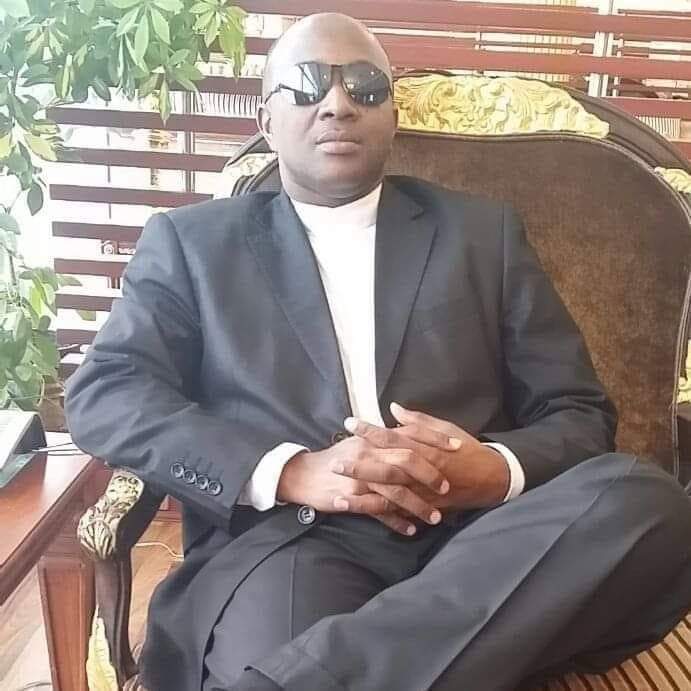
By Alhaji M B Jalloh*
Since the dawn of human history, has any individual ever been granted the privilege of choosing their race, tribe, or homeland? The answer is, unequivocally, NO.
True, tribalism often stems from ignorance of the divine decree. People must respect, and appreciate and subdue themselves to the wisdom of Allah the Almighty, Who cannot be questioned about His creation.
Imagine if all the creations of God were identical in every aspect. Life would have been monotonous and tasteless. As it’s commonly said:
‘Variety is the spice of life’.
What we must recognize, however, is that the divine wisdom behind our creation into nations and
tribes is meant for identification, not division. As stated in the Holy Qur’an, the most honoured among us are the righteous. This principle should guide both our personal conduct and our national life.
Why, then, do we continue to hate, marginalize, and antagonize one another on the basis of tribe or region?
Tribalism stands in direct contradiction to the moral and religious values of equality, justice, and unity.
If Sierra Leoneans begin to see themselves first and foremost as citizens of one nation, rather than as members of competing tribes, we can align our aspirations and work collectively toward meaningful national progress.
Only by recognizing and valuing the contributions of every citizen can we unlock our full potential as a nation.
The Cost of Tribalism
Tribalism has weakened national cohesion and delayed meaningful development. It is a destructive force that fragments society and undermines progress.
When a nation is shaped by tribal dominance, exclusion becomes inevitable. Entire segments of the population are sidelined and denied the opportunity to contribute meaningfully. The consequences are evident: a weakened state, underutilized human capital, and a deeply divided society.
Lessons from History
History offers powerful lessons. Rwanda, once devastated by genocide, has emerged as a compelling example of unity and recovery. Under the leadership of Paul Kagame, the country has made deliberate efforts to move beyond ethnic divisions and build a shared national identity.
Today, former adversaries coexist peacefully, working together toward common national goals. Kigali stands as a testament to what unity, discipline, and collective purpose can achieve and is widely regarded as the cleanest city in Africa, symbolizing order, civic responsibility, and national pride.
Across Africa, there is a growing call for leadership that can decisively confront tribalism. As Samora Machel of Mozambique once observed, “For a nation to live, tribes must die.” His words remain profoundly relevant.
The Role of Citizens
Leadership alone cannot resolve this challenge. Citizens must also take responsibility, especially in how they engage on social media.
It is increasingly concerning that some Sierra Leoneans use digital platforms to promote tribal hatred, spread misinformation, and deepen divisions. Platforms designed to inform and connect are too often misused to insult, provoke, and incite.
Such behavior must be unequivocally condemned. The anonymity of social media does not absolve individuals of responsibility; rather, it demands greater accountability. Words carry consequences, and when used recklessly, they can inflame tensions and erode national unity.
The Role of Leadership
Leaders at all levels must set the tone and lead by example. Their words, actions, and decisions should consistently reflect a commitment to national unity above tribal interests.
Combating tribalism requires more than rhetoric. Leaders must actively challenge and dismantle divisive practices. They must speak out firmly against hate speech and reject any rhetoric that fosters division.
True leadership demands courage – the courage to confront entrenched interests, to correct supporters who promote division, and to prioritize national stability over short-term political gain. Leaders must also promote inclusive governance, ensuring that every citizen feels represented, respected, and valued.
Equally important is the advancement of nation-building initiatives that bring people together across tribal and regional lines. Through education, cultural exchange, and open dialogue, leaders can help cultivate a shared identity that transcends differences. When leaders embody unity, the nation is far more likely to follow.
The Way Forward
Addressing tribalism requires deliberate and sustained action:
First, national identity must take precedence over tribal affiliation. The vision of one Sierra Leone – indivisible and united-must be consistently reinforced.
Second, social media must be used responsibly. Citizens should reject divisive content and instead amplify messages that promote unity, education, and constructive dialogue.
Third, institutions must uphold fairness and meritocracy. Equal opportunity should never be influenced by tribe, region, or background.
Fourth, civic and moral education must be strengthened. Schools, religious institutions, and communities must actively instill values of tolerance, coexistence, and national pride.
Finally, both leaders and citizens must remain steadfast in rejecting tribalism in all its forms.
Conclusion
Tribalism offers no viable future. It deepens division, fuels instability, and obstructs progress.
The choice before Sierra Leone is clear: remain divided along tribal lines or unite under a shared national vision.
To move forward, we must reject tribalism and commit ourselves to building a nation defined by unity, justice, and collective progress.
The author can be contacted via email at assijay82@gmail.com or on WhatsApp at +966 56 767 2815