
By Ibrahim Alusine Kamara (Kamalo)
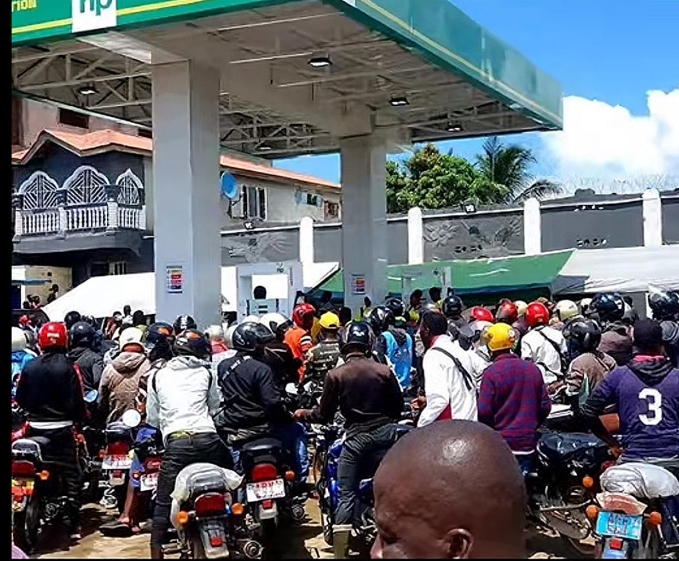
Across Africa, governments are scrambling to cushion their citizens from the harsh ripple effects of rising global fuel prices. The ongoing tensions linked to the U.S.–Iran standoff have sent shockwaves through energy markets, compelling several countries in the sub -region to adopt urgent relief measures—ranging from slashing fuel levies by up to 50 percent to imposing restrictions on non-essential foreign travel for public officials. These steps, though varied, signal a shared recognition of the burden that soaring fuel costs place on already strained populations.In Sierra Leone, however, the response of the administration led by Julius Maada Bio has sparked widespread public discontent. Rather than easing the pressure, critics argue that recent policy decisions have deepened the hardship faced by ordinary citizens. The government’s latest announcement, issued in a press release on April 2, 2026, confirmed new pump prices of NLe36.10 per litre for petrol and NLe44.26 per litre for diesel—figures that represent a steep climb from previous rates.Officials have attempted to frame the increase as partially mitigated, stating that the government “will not pass these full increases to the public.” They further announced a temporary subsidy of NLe1.10 on petrol and NLe4.26 on diesel, applicable for a brief window from April 2 to April 15. However, this intervention has been widely dismissed as inadequate. A closer look reveals that even with the subsidy, consumers are effectively paying around NLe35 per litre for petrol and NLe40 for diesel—still a dramatic rise from the pre-crisis prices of NLe25 and NLe28 respectively.For many Sierra Leoneans, the issue is not merely the increase itself but the perceived imbalance between the scale of the problem and the government’s response. In marketplaces, transport hubs, and public discourse, frustration is mounting. Citizens describe the hikes as “exponential,” while deriding the subsidy as “paltry” and symbolic at best. The prevailing sentiment is that the burden of global instability is being transferred almost entirely onto the shoulders of the poor, with little evidence of shared sacrifice at the top.This growing outcry raises broader questions about policy priorities and crisis management. In times of global economic turbulence, governments are often judged not only by their ability to respond, but by how equitably they distribute the pain. For many observers, Sierra Leone’s current approach risks eroding public trust, as citizens struggle to reconcile official assurances with the daily realities of rising transport costs, inflated food prices, and shrinking household incomes.If the situation persists without more robust and inclusive interventions, the fuel price debate may well evolve into a wider conversation about governance, accountability, and the social contract between the state and its people.