
OPINION
Free Quality Education, Empty Country
By Kemoh Saidu Sesay
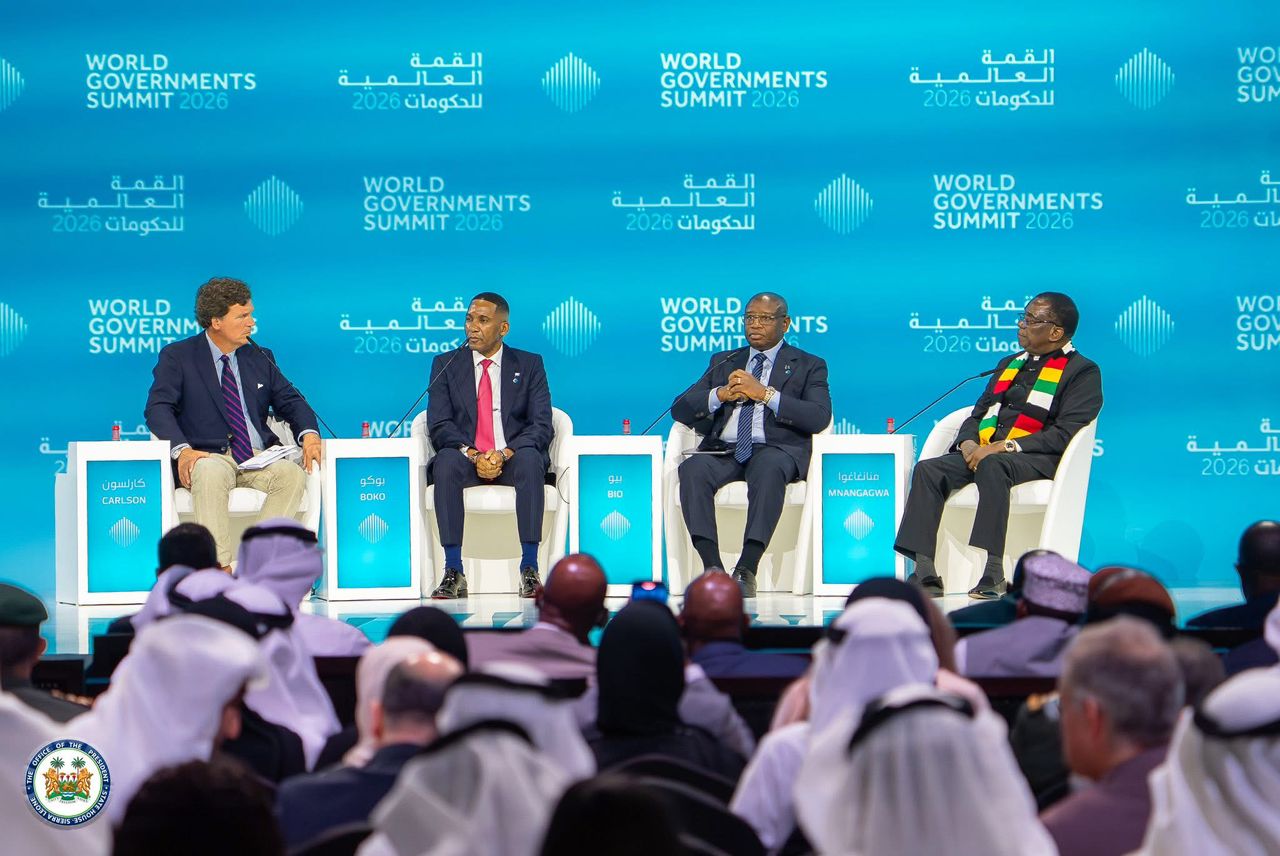
At the just-concluded World Governments Summit 2026, President Julius Maada Bio wasted no time in highlighting his government’s flagship achievement: free primary and secondary education in Sierra Leone.
But a follow-up question from the panel’s host, Tucker Carlson, cut to the heart of a deeper national crisis.
“Mr. President, do you keep track precisely of how many of your young, educated citizens leave and how many stay? Are you thinking hard about how to retain the smartest, most energetic people?”
The President’s response revealed a troubling conflation: educating citizens without keeping them.
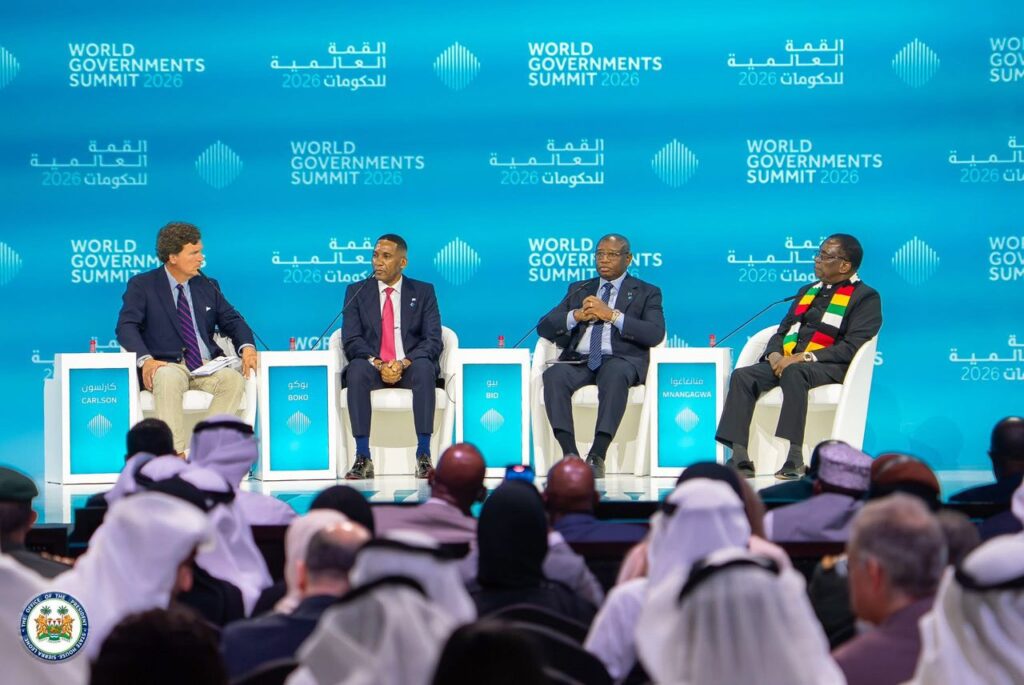
Carlson hosted Day Two of the summit’s session with African leaders, including Zimbabwe’s President Emmerson Mnangagwa, Sierra Leone’s President Bio, and Botswana’s President Duma Boko, who were invited to share perspectives on governance, growth, and global partnerships.
While President Bio continues to enthusiastically promote Sierra Leone’s Free Quality Education programme on the global stage, the reality at home tells a far less optimistic story. According to the 2023 Gallup World Poll, an alarming 75 percent of Sierra Leonean adults express a desire to migrate. This figure includes a large proportion of educated and skilled citizens, the very group most critical to national development.
The most common destination countries are the United States and the United Kingdom, with 45,031 and 28,656 Sierra Leoneans respectively.
The Labour Market Profile Sierra Leone – 2023/2024 report further reveals that skilled emigration accounts for 41 percent of total outward migration, draining the country of doctors, nurses, engineers, and teachers. In effect, Sierra Leone is losing nearly all categories of essential professionals.
Even more alarming, the International Migration Outlook 2025 reports that approximately 87 percent of nurses trained in Sierra Leone are now working abroad. This statistic alone explains why the country’s health sector remains chronically understaffed despite continuous training efforts.
Government policy documents acknowledge the problem. The 2024-2030 Medium-Term National Development Plan recognises brain drain as a major challenge, while the 2017 National Labour Migration Policy refers to diaspora skills transfer. Yet implementation remains largely absent. Sierra Leone currently lacks a dedicated diaspora engagement policy, offers uncompetitive wages for young professionals, provides limited research infrastructure, and fails to create clear career pathways capable of retaining local talent.
President Bio’s vision of producing “globally useful citizens” through free education risks becoming self-defeating. In a country where over 75 percent of young people want to emigrate due to poverty, unemployment, and weak institutions, education alone becomes a departure trigger, not a development tool. Instead of strengthening the nation, it increasingly functions as an export pipeline for human capital.
The Human Flight and Brain Index places Sierra Leone at 6.5 out of 10 in 2024, confirming that skilled emigration remains persistently high.
Developing human capital requires far more than tuition waivers at the basic education level. It demands competitive professional wages, research funding, private-sector growth, and institutions capable of rewarding talent at home. Until the government shifts its focus from merely producing educated citizens to retaining them, Sierra Leone will continue graduating its future for other countries.
Free education is necessary and commendable. But without opportunity, it accelerates the very crisis it seeks to solve.